
We all share one thing that can have a significant impact on climate change: the food we eat. Making changes to your eating habits can be done at your own pace and with little financial investment — but have a big climate impact. Energize Boxborough estimates that a family can reduce its carbon emissions by approximately 0.6 tons/year on average by eating less meat and cheese.
An analysis from the World Resource Institute of common protein sources shows the climate impact of various foods. Taking into account production emissions and post-farm emissions like processing, transport, retail, cooking, and waste disposal, it is clear that getting meat to the dinner table generates a lot more greenhouse gasses per kilogram than plant-based proteins.
Make the commitment to eating less foods with high-climate impact and incorporate more plant-based dishes into your meals! World Resource Institute can guide you to the lower-impact foods.
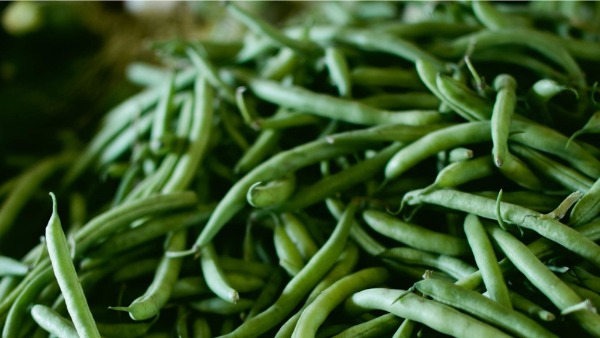
Plant-based foods like beans, nuts, grains and soy tend to be the most climate friendly of all. And there are so many great vegetarian recipes! Make Meatless Monday a family tradition for a start. Buy a vegetarian cookbook and try out some of the recipes. Prepared foods that are plant-based have exploded in variety — look around on your grocery shelves. Many restaurants have vegetarian dishes that are delicious — enjoy them! It’s not hard to dramatically decrease your meat and dairy intake and increase plant-based options. And it’s often healthier! High intakes of vegetables, whole grains, legumes, and other healthy plant-based whole foods can help lower cholesterol and reduce chronic disease.
Keep in mind that food consumption is often only a fraction of a person’s total climate impact. There’s also flying, driving, and home energy use to consider. For more on this, see separate Action Calculate Your Carbon Footprint. But dietary changes are often one of the quickest ways for many people to lighten their impact on climate change.